I used to think any keyboard would do.
Then I missed a headshot because my keys stuck.
You want speed. You want comfort. You want something that doesn’t fight you mid-fight.
But walking into the noise of “mechanical vs membrane” or “RGB overload” or “60% vs full-size” (it’s) exhausting.
Which Gaming Keyboard Is Best Pmwgamegeek?
That question isn’t dumb. It’s urgent.
I’ve tested over forty keyboards. Not for specs. For real use.
For rage quits, late-night raids, and sore wrists at 3 a.m.
Some gamers need tactile feedback. Some need silence. Some just need keys that don’t bottom out like bricks.
This guide skips the hype. No jargon dumps. No brand worship.
We’ll talk about switch types. But only how they feel when you’re sprinting across a map. We’ll cover layout.
But only if it stops you from fumbling your ult.
You’re not buying a gadget. You’re buying control.
By the end, you’ll know exactly what to look for (based) on your hands, your games, your habits.
No confusion. Just clarity. And a keyboard that finally works with you.
Mechanical vs Membrane: What Actually Changes
I’ve smashed keys on both types for over a decade.
You feel the difference the second you press down.
Mechanical keyboards have a separate switch under every key. That’s why they click, clack, or bump. Depending on the switch.
Cherry MX Reds are smooth and fast (good for quick taps). Blues scream back at you (great if you like noise and feedback). Browns sit in the middle (a soft bump, no loud click).
Membrane keyboards use one rubber dome sheet under all keys. It’s cheaper to make. Quieter.
But mushier. And slower when you’re trying to double-tap or rapid-fire.
So which type wins? It depends on what you care about right now. Budget?
Membrane wins. Noise level? Membrane again (unless) your roommates love hearing you rage-quit.
Competitive gaming? Mechanical almost always pulls ahead. Response time matters.
Durability matters. Tactile feedback matters.
Which Gaming Keyboard Is Best Pmwgamegeek?
Check out Pmwgamegeek for real-world comparisons (not) theory.
You don’t need ten switches to know what works. Try one. Type for five minutes.
Your fingers will tell you before your brain does. (Yes, even if you think you don’t care.)
Wired or Wireless: What’s Actually Better?
I plug in my keyboard and forget about it. No lag. No battery panic.
No wondering if Bluetooth dropped.
Wired keyboards just work. They’re cheaper. They don’t die mid-match.
(Yes, even my $40 mechanical one from Best Buy in downtown Austin.)
Wireless looks clean. I love the empty desk space. But I’ve missed jumps in Rocket League because my keyboard hiccuped for half a second.
Battery life? Fine. Until you forget to charge it.
Then you’re scrambling for USB-C at 11 p.m.
Competitive players pick wired. No debate. Casual gamers?
Go wireless if you value peace over precision.
Which Gaming Keyboard Is Best Pmwgamegeek depends on what you do, not what looks cool on Instagram. You’re not building a shrine. You’re typing, clicking, winning (or) not.
So ask yourself: Do you need zero delay? Or do you need to grab and go? There’s no right answer.
Just your answer.
What Actually Matters in a Gaming Keyboard
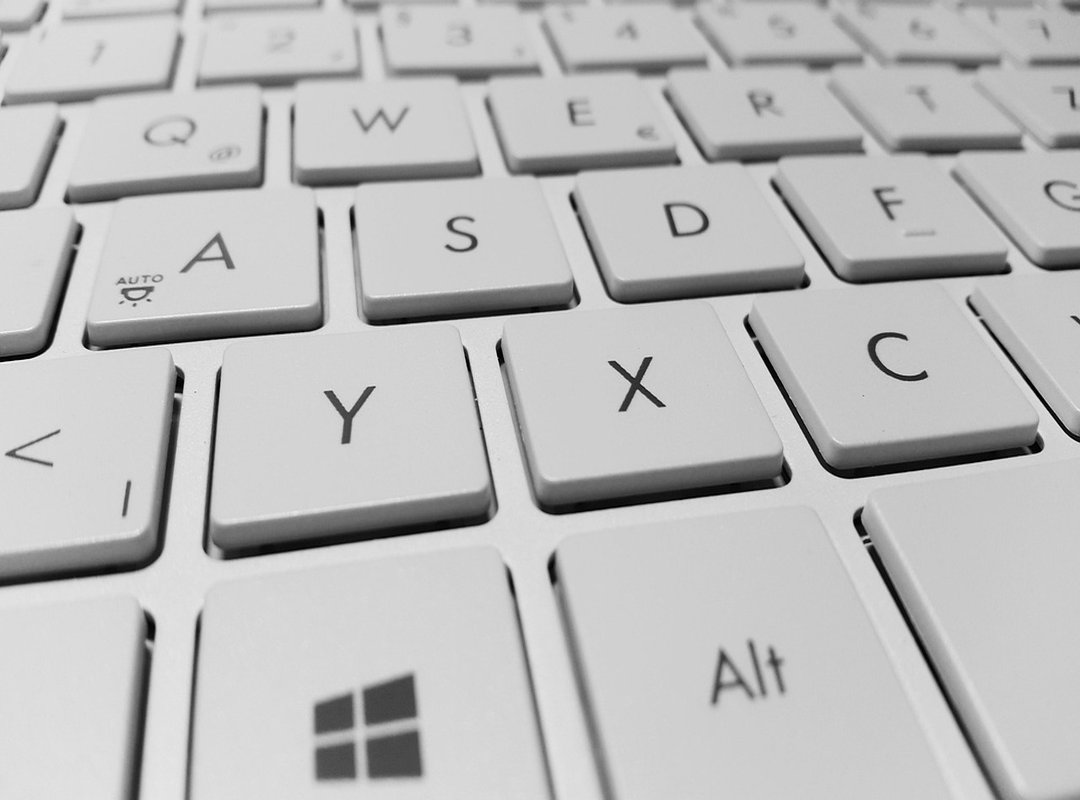
N-key rollover means every key press registers no matter how many you hit at once. Anti-ghosting stops the keyboard from ignoring or misreading keys during fast combos. If your keyboard drops inputs mid-fight, it doesn’t matter how pretty it looks.
Programmable keys let you bind full actions. Like a healing macro or weapon swap. To one button.
I use mine to mute Discord without breaking focus. But most people never touch them. (And that’s fine.)
Backlighting helps in the dark. RGB is fun. It’s also pointless if you’re not into tweaking colors every Tuesday.
Single-color backlighting works just as well for visibility.
Dedicated media keys save seconds. No more alt-tabbing to pause music mid-boss fight. Yes, you could remap a key (but) why bother when a real button exists?
Wrist rests? They help. But cheap foam ones sag in a week.
A solid, detachable rest matters more than RGB underglow.
Which Gaming Keyboard Is Best Pmwgamegeek? You’ll find real comparisons. Not hype.
At Which Gaming Gear Is the Best Pmwgamegeek.
Skip the specs sheet. Ask: does it stop failing when you need it most? That’s the only test that counts.
Keyboard Size Is Not a Guessing Game
I used to think bigger keyboards meant better performance.
Turns out, they just meant less room for my mouse.
Full-size keyboards have a numpad. Great if you crunch numbers or play games that use numpad keys (looking at you, StarCraft). But they eat desk space like it’s free pizza.
TKL skips the numpad. More mouse room. Easier to carry to LAN parties.
You lose the numpad (and) yes, it takes a week to stop reaching for it.
60% is smaller still. No function row. No arrow keys.
No numpad. You learn layers fast or you quit.
Which Gaming Keyboard Is Best Pmwgamegeek?
It depends on your desk, your games, and how much you hate relearning shortcuts.
Small desk? TKL or 60%. Work with spreadsheets all day?
Full-size. Play Overwatch and Excel? Maybe split the difference.
Still unsure about your setup? This guide covers gear choices that actually matter. (Yes, routers affect input lag. Surprise.)
Your Hands Know Better Than Any Review
I’ve tried keyboards that felt like typing on gravel. I’ve bought wireless ones that lagged mid-battle. I’ve paid too much for lights I never looked at.
The truth? There’s no universal “best” keyboard. Which Gaming Keyboard Is Best Pmwgamegeek isn’t a question with one answer. It’s a question only you can answer.
Based on how your fingers move, how loud your room is, how much you’re willing to spend.
Mechanical switches aren’t automatically better. Membrane keyboards still win for quiet dorm rooms or late-night sessions. Wired gives zero lag (but) if your desk is cluttered, wireless might save your sanity.
Anti-ghosting matters only if you hammer six keys at once.
Size matters only if your mouse needs space. Or you hate stretching.
You don’t need every feature.
You need the ones that stop getting in your way.
So what’s your pain point right now? Is it mistyping during clutch moments? Is it wrist fatigue after two hours?
Is it spending $150 on something that feels cheap?
Stop scrolling. Go touch a few keyboards. Visit a store.
Try the switch types. Feel the key travel. Ask yourself: Does this make me want to play longer?
That’s your signal.
That’s when you stop researching. And start playing.
Now go pick one.
Not the “best.”
Yours.