
You ever boot up a game and just stop for a second?
Like (wait,) how did they do that?
I have. And I’ve watched it happen for years. Not the hype.
Not the trailers. The real stuff. The way games feel different now.
How New Technologies Are Changing Gaming Altwaygamers isn’t some vague buzzword salad. It’s ray tracing bending light like real life. It’s AI making NPCs remember your choices.
It’s controllers vibrating so precisely you feel rain hit armor.
I don’t write this from a lab or a press release. I write it from my couch. My headset on.
My fingers tired after six hours in a world that didn’t exist ten years ago.
You don’t need a CS degree to get it. You just need to care about games. So I’ll skip the jargon.
No lectures. No fluff.
This article shows you what’s actually changing, not what marketers say is changing.
You’ll walk away understanding why your favorite game feels more alive (and) where it’s all headed next.
VR and AR: You’re Not Watching the Game Anymore
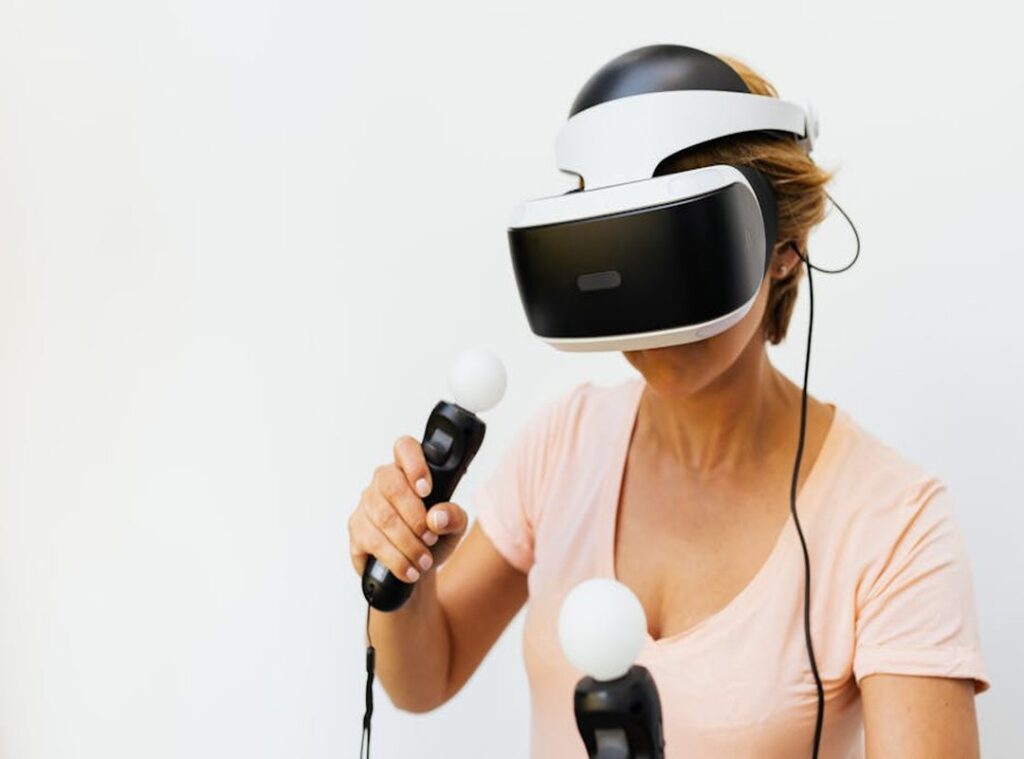
I put on a VR headset and suddenly I’m in the game. Not watching it. Not controlling it from outside.
Standing inside it.
That’s how Altwaygamers talks about immersion (and) they’re right.
Beat Saber makes me swing my arms like I’m slicing neon lasers. Half-Life: Alyx has me crouching behind real-looking crates, grabbing ammo with my hands. My brain believes it.
You feel it too, don’t you? That pause when you first look down and see your virtual hands. Not just a cursor or a controller icon.
AR is different. It doesn’t pull you out of the world. It drops game stuff into it.
Pokémon GO made people walk miles to find a Pikachu near a park bench. Your phone becomes a window. Not a screen.
VR is a closed door. AR is an open window. One blocks reality.
The other layers on top.
VR needs a headset. AR runs on phones or glasses like HoloLens.
VR games demand space to move. AR games need sidewalks, cafes, bus stops.
One asks you to stay still and lean in. The other asks you to walk out the door.
How New Technologies Are Changing Gaming Altwaygamers isn’t hype. It’s motion sickness from your first VR ride. It’s your kid pointing at a dragon hovering over the kitchen table.
Neither replaces traditional gaming. They just add new ways to be there.
You don’t watch VR. You live it. You don’t play AR.
You wander into it.
Cloud Gaming: Play Anywhere, Not Just Where Your Rig Is
I stream games like I stream Netflix. No console. No $2,000 PC.
Just internet and a screen.
You don’t need fancy hardware to run Cyberpunk 2077 at 60fps.
The heavy lifting happens in a data center. Not your living room.
Xbox Game Pass Ultimate, GeForce NOW, PlayStation Plus Premium (they) all do the same thing.
They send video and audio to you, and send your button presses back.
That’s it. No downloads. No updates clogging your SSD.
No waiting.
It opens gaming to people who couldn’t afford a PS5 or RTX 4090. Students. Renters.
Anyone tired of upgrading every three years.
But yeah (it) needs solid internet. If your Wi-Fi stutters, your jump will too. (Ask me how I know.)
Companies are shaving milliseconds off latency.
Not magic. Just better servers, smarter routing, less buffering.
This is how new technologies are changing gaming Altwaygamers. It’s not about more power. It’s about removing gates.
You want Halo on your Chromebook? Done. On your phone during lunch?
Done. On your grandma’s tablet? Okay maybe not Elden Ring, but still.
Done.
Latency still bites sometimes.
But it’s getting better faster than most people expect.
AI That Doesn’t Just Chase You (It) Watches You
I played a game last month where the enemy ducked behind cover after I shot at them. Not scripted. Not on a timer.
They saw me, moved, and flanked me.
That’s not magic. It’s AI doing real work.
It’s not just about smarter enemies. It’s about NPCs who pause mid-conversation when you interrupt. Who remember you ignored them yesterday and give you side-eye today.
(Yes, really.)
I watched an NPC in Red Dead Redemption 2 argue with a shopkeeper over pricing (then) walk away muttering (while) I stood there holding a loaf of bread.
AI builds worlds that breathe. Rain changes traffic patterns. A fire spreads based on wind and building materials.
One player’s chaos creates a different town layout for the next.
And it helps developers too. I’ve seen AI generate entire forest paths that fit terrain and lighting. No manual placement.
Animations snap together faster. Landscapes get filled in while the team focuses on story.
This isn’t sci-fi. It’s shipping now.
How New Technologies Are Changing Gaming Altwaygamers is obvious if you’ve played anything post-2022.
Some devs still use old pattern-based AI. I skip those games. Life’s too short.
You notice the difference the second you stop feeling like a ghost in the world.
Ray Tracing Isn’t Magic (It’s) Math

I used to stare at water in games and think nah. Flat. Dead.
Then ray tracing hit.
It shoots virtual light rays from your screen into the scene. Each one bounces, reflects, or gets absorbed (just) like real light. (Yes, it’s heavy on the GPU.)
Shadows stop looking like cardboard cutouts. They fade softly at the edges. Reflections on wet pavement show cars passing behind you (not) just a blurry smear.
You notice it first in rain. Or glass. Or eyes.
This isn’t polish. It’s presence. A hallway feels deeper because light scatters off the floor tiles.
A character’s hair catches highlights that move with them.
Nvidia’s RTX cards made it possible. AMD followed. Now even mid-tier GPUs handle it.
Sometimes with compromises. But it’s no longer a checkbox. It’s in Cyberpunk 2077, Control, Minecraft RTX.
You don’t need a PhD to see the difference. You just need to look.
How New Technologies Are Changing Gaming Altwaygamers is obvious the second you boot up a ray-traced scene and forget you’re holding a controller.
Some studios still skip it. Too expensive. Too slow.
I get it.
But when it works? The world breathes.
Feel the Game in Your Fingers
Haptic feedback isn’t just rumble. It’s texture. It’s weight.
It’s the grit of sand under tires or the snap of a bowstring.
I felt gravel crunch under my boots in Astro Bot. I felt rain hit my controller like it was real.
Pressing a car brake? It fights back.
Adaptive triggers add resistance where it matters. Pulling a bow? The trigger stiffens.
You don’t just press buttons anymore. You pull, squeeze, resist.
That changes how you react. That changes how you remember the moment.
Why does your hand tense when the enemy reloads? Because the controller told you first.
This isn’t gimmick. It’s presence. It’s your body believing the game before your brain catches up.
How New Technologies Are Changing Gaming Altwaygamers (and) it starts right here, in your palms.
Want to know what else is shifting under the surface? What Do I Need to Know About Uae Lottery Sites Altwaygamers
Your Turn to Play
Gaming isn’t waiting. It’s already moving faster than you can reload. I’ve tried the VR demos.
I’ve streamed games on lunch breaks. I’ve felt haptics buzz through my palms like real recoil.
How New Technologies Are Changing Gaming Altwaygamers (it’s) not hype. It’s happening in your living room right now.
Ray tracing adds light you feel. AI makes NPCs remember your choices. Cloud gaming kills the download queue.
You wanted richer worlds. You got them. You wanted less friction.
You got it. You wanted to feel the game. Not just watch it.
You’re there.
So what’s holding you back from trying one thing this week?
Grab a headset. Fire up a cloud trial. Tap into something new.
What new tech are you most excited to try in your next gaming adventure?