The gaming world is changing fast. Ever heard of the metaverse gaming trend? If you’re still trying to wrap your head around it, you’re not alone.
Many are curious about how these virtual spaces might reshape the way we play and connect.
I get it. With all the hype, it’s tough to sift through the noise and figure out what’s real and what’s just marketing fluff.
This article dives deep, breaking down what the metaverse means for gamers like you and me. I’ll explore the key elements driving this trend and what it could mean for your gaming experience.
You’ll learn about the latest developments, the games to watch, and how to get involved.
Trust me, I’ve seen the ups and downs of gaming trends, and I’m here to give you the straight talk. By the end, you’ll have a clear picture of what to expect and how to make the most of this exciting shift in gaming.
Virtual Reality: Moving Without Moving
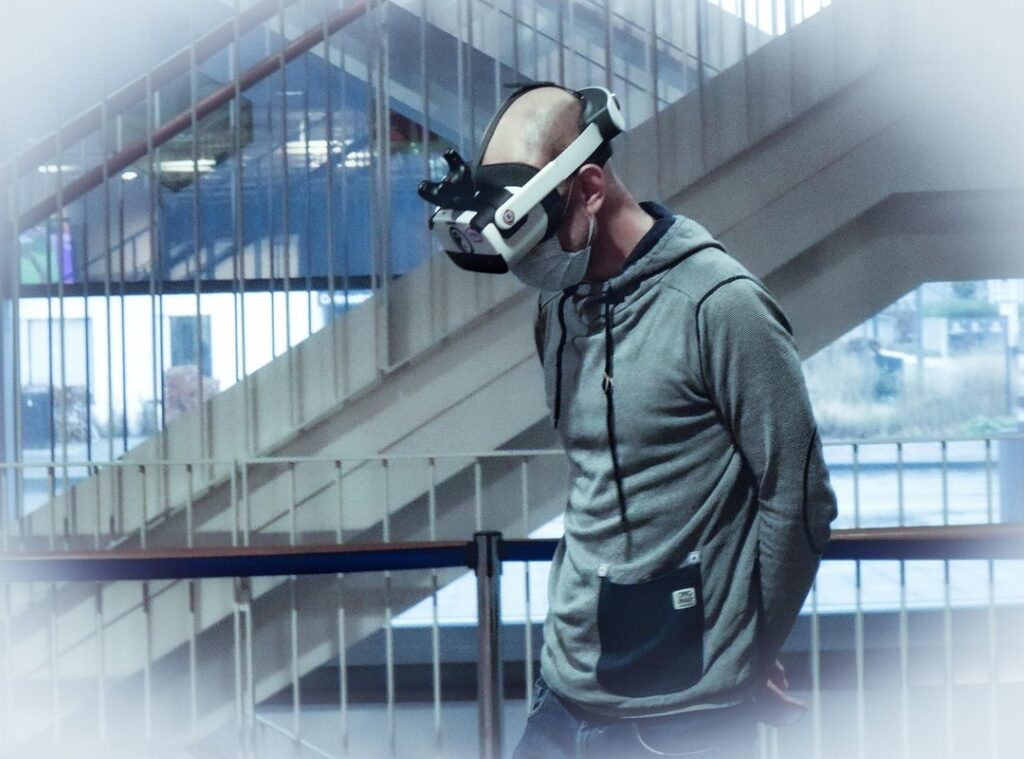
VR locomotion is the oddest thing. Your avatar zips around a virtual world while your real body stays put. This disconnect can be jarring.
Your brain knows you’re not moving, but your eyes say otherwise. the trouble starts. Motion sickness is a real issue, and it can turn a fun game into a queasy mess.
The metaverse gaming trend is pushing boundaries. But what about comfort? If you’re not grounded, you’re not immersed.
Early VR games were clunky at best. Remember the first time you tried to walk in a virtual space? It felt like floating in a dream, with all the awkwardness that implies.
Designers have been tweaking and twisting VR movement to minimize the discomfort.
We’ve come a long way. Newer games have smoother transitions. Some use teleportation, others mimic natural walking.
Each choice changes gameplay and plan. But there’s no one-size-fits-all. What works for one player might not work for another.
And let’s not forget immersion. It’s the holy grail of VR. Want to see how VR games are taking over?
It’s all about getting you lost in the game. So, how do you move without moving? That’s the question every VR developer is trying to answer.
Move Like a Pro: VR Gaming Mechanics
Let’s talk about VR movement methods. Teleportation first. You point, click, and boom (you’re) suddenly there.
This is great if you’re prone to motion sickness. You don’t have that dizzy feeling, but it might chop up the game’s flow. Imagine playing a fast-paced game while pausing every second.
It works better with puzzle or exploration games where pace isn’t a priority.
Then there’s smooth locomotion. It’s like using a joystick for continuous movement. Feels immersive, especially for those who’ve grown up with traditional gaming.
Yet, it’s a double-edged sword. Motion sickness is a real deal. Developers try to tackle this with snap turning or vignette options.
Honestly, it works decently once you get the hang of it.
Finally, room-scale movement. Walk, dodge, and pivot in your actual space. The immersion is unmatched.
But you need a large, clear area (unless you enjoy bumping into furniture mid-game). It’s less practical for massive virtual spaces. You won’t be hiking across landscapes anytime soon.
So why do these methods matter? Well, the metaverse gaming trend is only growing. As VR becomes the norm, understanding your movement options can make or break your experience.
Each method offers something unique. And that’s the beauty of it. You pick what feels right, tweak settings, and dive into worlds like never before.
Beyond the Basics: Advanced VR Movement
Artificial Walking/Arm Swinging is a wild ride. You pump your arms or move your legs in place, and voilà, you’re walking in the virtual world. It’s a game-changer in VR, but let’s be real: it’s a workout. The balance between immersion and physical exertion is tricky. Some games really nail this, making you feel like you’re in another world without turning your living room into a gym.
Then there are Physical Locomotion Platforms like omnidirectional treadmills (think Virtuix Omni or Kat Walk). These let you walk in VR as if you’re strutting down the street. The immersion is unmatched.
But the cost and setup? Yikes. Not everyone has the space for a treadmill in their living room.
And don’t get me started on Hybrid Systems. Modern VR games blend methods seamlessly (teleport for long distances, smooth locomotion for fine adjustments). Player choice in movement settings is key for the best experience.
Customization lets you control how you interact with the game world.
This metaverse gaming trend isn’t just about flashy hardware. It’s about creating experiences that feel personal. Speaking of innovation, indie games revolutionizing the scene are a must-watch.
They’re pushing boundaries, redefining how we play.
Mastering VR Movement: Tricks and Tips
Ever felt like the world was spinning when you first tried VR? You’re not alone. Motion sickness is a real hurdle.

I learned the hard way that starting with teleportation is a game-changer (smooth locomotion can wait). Snap turning over smooth turning? Yes, please.
It might not feel natural at first, but it’s less nauseating. Trust me, it works. And don’t forget comfort settings like vignetting.
They’re there for a reason.
Now, let’s talk setup. If you’re tripping over cables, you’re doing it wrong. Clear your play space.
It sounds obvious, but you’d be surprised how many people overlook it. Guardian boundaries are your best friend. They stop you from punching walls (or worse).
For wired headsets, cable management is key. Tangle-free is the way to be. And if you’re wireless, make sure your connection is rock solid.
Lag is a killer.
Getting your “VR legs” takes time. It’s like learning to ride a bike. You wobble, you fall, but eventually, you glide.
Practice makes perfect. Tweak your settings and find what works for you. Everyone’s different.
This isn’t just about comfort. Mastering movement can open up new worlds. Literally.
In the metaverse gaming trend, having the edge in movement is a competitive advantage. Especially in VR esports.
Pro tip: Keep ginger handy. It helps with nausea. Oh, and stay hydrated.
You don’t want to pass out mid-game. Play smart, stay safe, and enjoy the ride.
The Future of VR Movement: What’s Next?
When I think about the future of VR, I get excited. Have you ever worn a mocap suit? It’s like stepping into a sci-fi movie.
These suits and advanced camera systems are revolutionizing full-body tracking. They promise more natural, unconstrained movement in virtual worlds.
And let’s talk about haptic feedback. Gloves and vests that let you feel the virtual world? That’s a game changer.
Imagine the immersion when your VR character gets hit, and you actually feel the impact. It’s like living inside a video game.
Then there’s brain-computer interfaces. Okay, they sound far off, but imagine controlling your avatar just by thinking. Wild, right?
As the metaverse gaming trend grows, these innovations will redefine our experiences.
The VR movement is constantly evolving. Every day, new tech promises to make our virtual adventures more real. It’s a thrilling time to be a gamer.
Open up Your VR Potential Today
Understanding VR movement is key for enjoying virtual gaming. The discomfort and confusion can vanish with practice. So why not dive into your favorite VR titles?
Experiment with movement types and settings. You’ll gain confidence and comfort. Join the OTVPGaming community and share your experiences.
Let’s level up together.